Served Over an Old Credit Card? What to Gather Before the Lawyer's First Hour
A summons from a debt buyer starts a short clock. What to capture in the first hour, what can wait, and the four documents that make a paid consultation productive.
Nikolai Dragomir4 min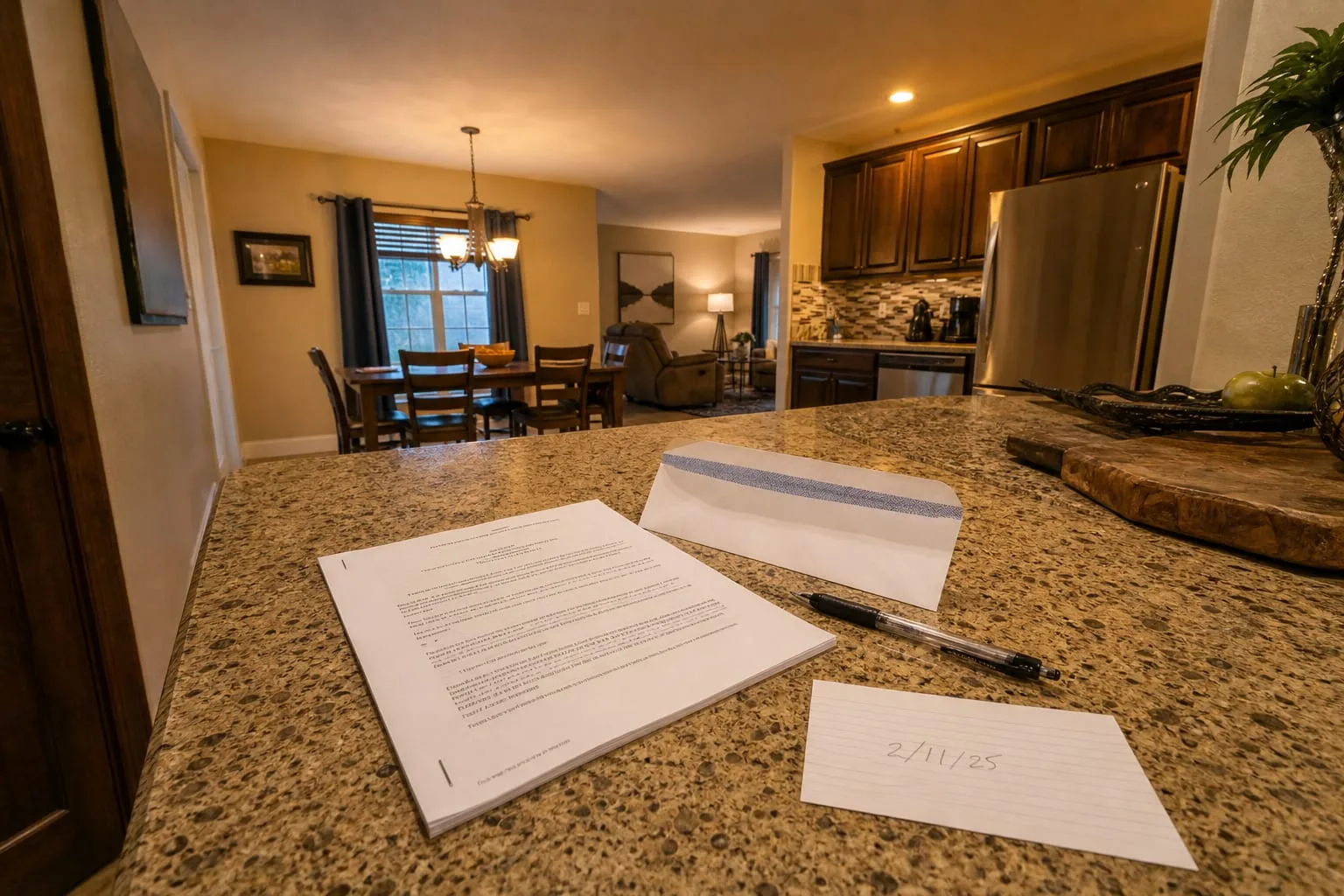
A process server hands you a stapled packet at the door on a Thursday evening, and the top page carries a court caption, a case number, and the name of a company you have never done business with, suing you over a credit card you closed years ago. The panic is immediate and mostly misdirected. Almost nothing about this needs to happen tonight, but two things do, and both take about fifteen minutes. What you do in that quarter hour determines whether the consultation you pay for next week produces a plan or produces a lawyer reading your paperwork on your dime.
The first fifteen minutes, before anything is filed away
Write down the date and the manner of service on the outside of the envelope: handed to you personally, left with an adult at the residence, taped to the door. That single fact sets the clock, and the clock is the only deadline in this matter that cannot be renegotiated. Then photograph every page, front and back, including the blank ones, and email the images to yourself so a timestamped copy exists somewhere other than your kitchen counter. Do not sign anything, do not call the number printed on the complaint, and do not throw away the envelope. Then stop for the night.
The reason to stop is that the answer deadline is measured in weeks, not hours, and it varies by state and by which court issued the papers. Small claims, district, county, and superior courts each count differently, and some count from service while others count from filing. You will not resolve that question correctly at eleven at night by searching, and getting it wrong in either direction is expensive. A lawyer resolves it in ninety seconds by looking at the caption. That is one of the things you are buying.
What feels urgent and is not
The pull to call the plaintiff's attorney and explain yourself is strong, and it is the single most common way people damage a case they could have won. A conversation in which you acknowledge the debt, describe your payment history, or agree to send fifty dollars can revive a claim that had aged past the statute of limitations, and a partial payment does this in several states without anyone warning you. The same goes for the settlement letter that arrives four days later offering a discount if you respond within ten days. That offer will still exist after you have taken advice. It nearly always does.
What also can wait: pulling your credit reports, calling the original bank, and assembling a decade of statements. Useful later, distracting now. The Consumer Financial Protection Bureau oversees debt collection practices and maintains public material on what collectors may and may not do, and reading it is worthwhile, but it is background rather than a next step. The next step is a short list of documents and a shorter list of facts.
The four things that make a paid hour productive
Bring the complete packet, unmarked, with your own annotations on a separate sheet rather than in the margins. Bring any letters from the plaintiff or its prior owners, in date order, because the chain of ownership of a purchased debt is frequently where these cases fall apart. Bring a one-page timeline showing the approximate date of your last payment or last use of the account, because that date, not the date of the lawsuit, drives whether the claim is time-barred. And bring an honest summary of your income and its source, since wages, Social Security, and veterans benefits are treated very differently if a judgment is ever entered.
Write your three questions down in advance and read them out loud in the meeting rather than waiting for a natural opening. Something like: does the plaintiff have to prove it owns this debt, and how; is the claim within the limitations period for my state; and what happens on the day after the deadline if I do nothing. Those three answers, taken together, are the whole shape of your decision.
Building the judgment rather than borrowing it
The value of the meeting is not that a stranger tells you what to do. It is that you leave able to distinguish a strong position from a weak one in this specific case, which lets you evaluate the settlement offer that arrives in March without paying for another hour. Ask which facts would change the advice, and in which direction. Ask what the lawyer would want to see that you did not bring. Ask what the realistic outcomes are, in order of likelihood, and what each one costs. A lawyer who answers those willingly is giving you the reasoning, not just the conclusion.
You should walk out with a written deadline date, a decision about who files the answer and by when, and a clear instruction on what to do if the collector calls. Three items on an index card. That is what a well-prepared first hour buys.