Your Fulfillment Quote Has Three Authors. Only One of Them Sent It to You
A 3PL quote prices its own labor, but the carrier tariff and your own supplier's pallets write most of the lines that surprise you later.
Nikolai Dragomir3 min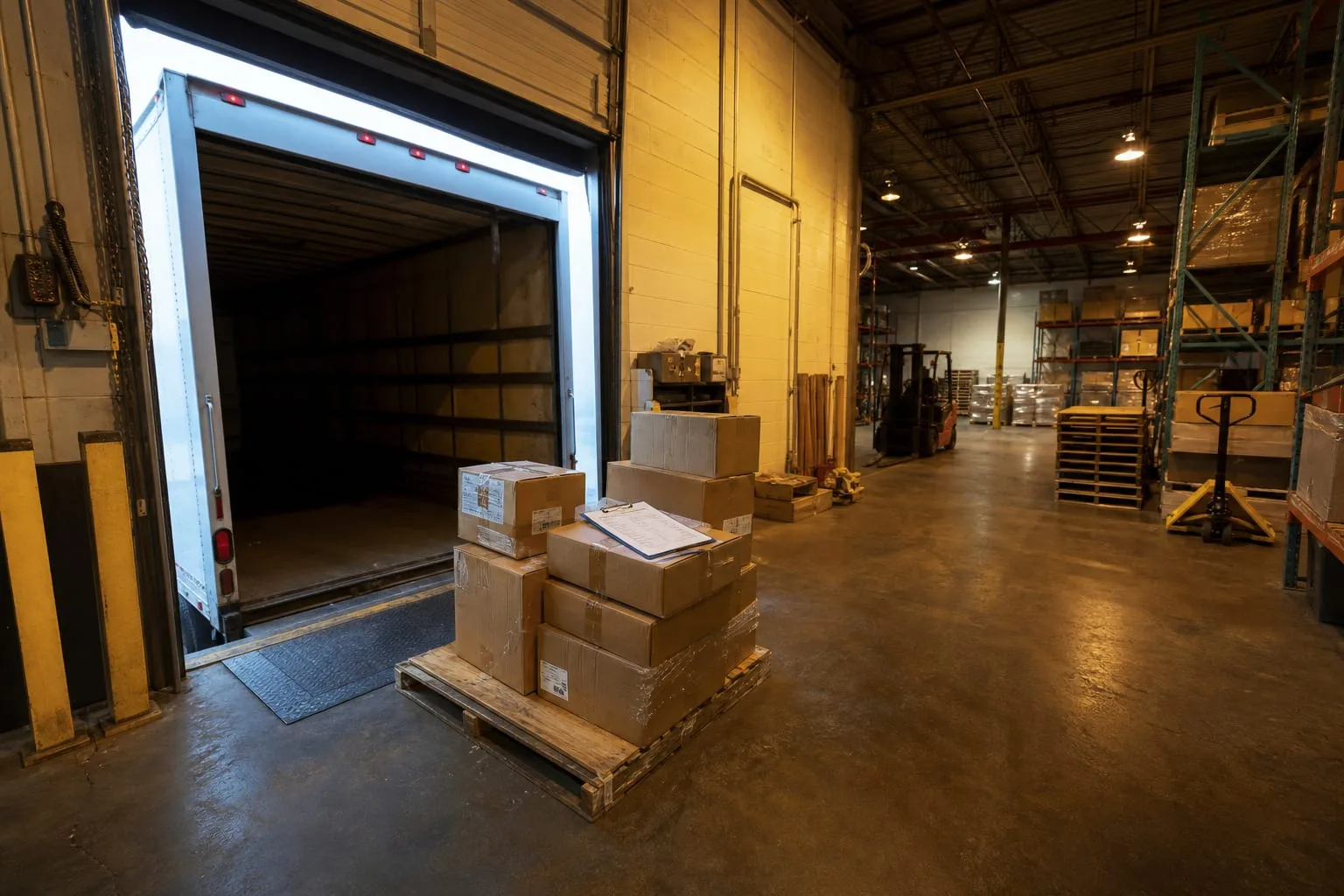
The quote that lands in your inbox from a third-party logistics provider is an honest document about roughly half of what you will pay. It prices the things that company controls: the labor to receive a pallet, the square footage or pallet position your goods occupy, the pick, the pack, the box. Everything else on your eventual invoice is being collected on behalf of someone else, passed through with or without a markup, and governed by rules the fulfillment company did not write and cannot waive. Knowing who authored each line is what lets you argue about it.
Sort the quote by who is charging, not by what is charged
Take the quote and mark each line with its origin. Receiving, storage, pick fees, pack fees, kitting, returns processing and account management are the 3PL's own labor and space, and those are the numbers you negotiate directly, usually against volume commitments. Shipping is not their number. Neither are most of the surcharges that sit under it. Once you have divided the page this way, the negotiation gets simpler, because you stop asking a warehouse operator to discount a fee that a parcel carrier assessed and they merely rebilled to you at cost or close to it.
The carrier writes the lines that surprise you
Parcel and freight carriers publish tariffs, and a tariff is a long document of conditions rather than a price list. Dimensional weight bills you for the space a box occupies rather than what it weighs, which means packaging decisions made in your warehouse become rate decisions made in someone else's sorting hub. Residential delivery, delivery area surcharges for rural ZIP codes, address correction, additional handling for anything oversized or oddly shaped, and peak season surcharges layered on through the fourth quarter all originate there. Interstate motor carriers operate under the oversight of the Federal Motor Carrier Safety Administration, and their commercial terms sit in the tariff, not in your fulfillment agreement.
The practical move is to ask your 3PL for a sample invoice from an existing client of similar profile, with the client's identity removed, so you can see the surcharge lines as they actually appear at volume. A quote shows the base rate. An invoice shows the ratio between base rate and everything bolted onto it, and that ratio is the number you are really signing up for.
The supplier nobody puts in the room
The party most often left out of the conversation is the one shipping goods into the warehouse: your manufacturer, your importer, your contract packer. Receiving fees are quoted for a clean, palletized, barcoded, purchase-order-matched delivery. What arrives is frequently a floor-loaded container, mixed cartons on a single pallet, cases without scannable labels, or a shipment that turns up outside the appointment window and holds a dock door. Every one of those conditions has a billing code attached, and the warehouse applies it because the labor is real.
So send your supplier the 3PL's receiving requirements before the first purchase order, not after the first surprise invoice. Case pack quantities, label placement, pallet height, stretch wrap, appointment scheduling, and advance shipping notice format are all cheap to specify upstream and expensive to correct on a dock. This is the single highest-return conversation available to a growing brand, and almost nobody has it in month one.
What the warehouse owes you when something is damaged
A fulfillment provider holding your inventory is a bailee, and that relationship runs through Article 7 of the Uniform Commercial Code as adopted in the state where the goods sit. Standard warehouse contract terms almost always limit liability to a fixed amount per pound or per package, and that figure will be far below the retail value of anything small and valuable. The same contract will grant the warehouse a lien on your inventory for unpaid charges, which is why a billing dispute and a fulfillment shutdown can arrive together. Read both clauses before you sign, and price separate cargo or stock-throughput coverage against the gap they leave.
The invoice arrives at triple the estimate. What to do first
Call the 3PL account manager the same day and ask for the invoice reissued with surcharges broken out by code and by shipment, which is a report they can run. That is the only urgent step. Do not stop payment on the whole invoice, because that can trigger the lien clause and freeze outbound orders during a week you cannot afford. Pay the undisputed portion, flag the rest in writing with the shipment numbers attached, and set the dispute window from the contract on your calendar. The packaging redesign, the supplier compliance memo and the carrier rate conversation can all wait until Monday.
Most of what looks like a padded bill turns out to be three parties billing correctly for three different things. Once you can name them, each one becomes negotiable with the person who actually controls it.