First Legal Meeting Tomorrow? Four Ways to Arrive, and What Each Costs You in the Hour
A comparison of the four routes into a first legal consultation, why intake works the way it does, and which one holds up when you are calling at nine at night.
Nikolai Dragomir5 min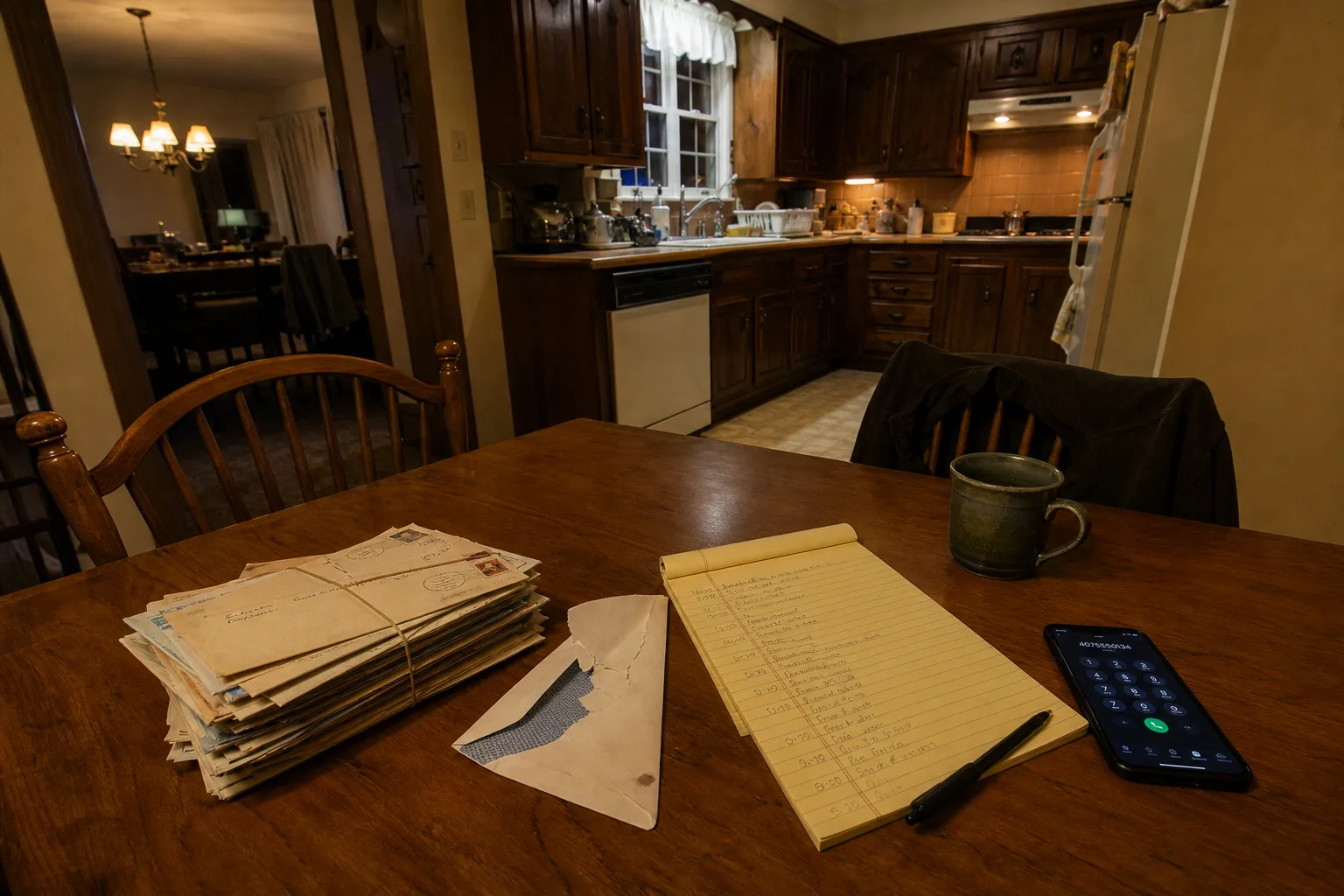
The call you make tonight and the meeting you have on Thursday are two different problems, and people who have never hired a lawyer tend to solve them as if they were one. Tonight is about triage: whether anything expires, whether anything needs to be preserved before it is written over, and whether the person you reach can even talk to you yet. Thursday is about producing a plan. The preparation that serves one does not automatically serve the other, and the route you take into the office quietly decides how much of the hour goes to your facts and how much goes to administration.
Why the first contact looks like a form and not a conversation
First-timers are often surprised that the initial call is handled by someone who will not answer a single legal question. That is not evasion, and it is not a sales funnel. Before a lawyer can hear the substance of your problem, the firm has to run a conflict check against every party you might end up opposing, because hearing confidential facts from you can disqualify the firm from a matter it already has. Conflict checking used to be a partner's memory and a card index. It is now a database query, which is why the gatekeeper asks for full legal names, business entities, and spouses before anything else.
The billable hour pushed the rest of the structure into place. Once time became the unit of sale, everything that could be moved off a lawyer's clock was moved: intake questionnaires, document collection, scheduling, the initial narrative. Then cloud storage and e-signature tools moved that work to the client's side of the wall, which is why a firm that would once have mailed you a packet now sends a link on Monday and expects it back by Wednesday. The effect on a prepared client is real. The hour starts at the analysis rather than at your address.
Cold call, firm portal, referral screening, prepared file
The cold call or walk-in is the cheapest to arrange and the most expensive to sit through. You will spend the opening stretch reciting identifying details, then narrating events in the order they occur to you, which is almost never the order that matters legally. Its one genuine advantage is speed, and in an actual emergency (a lockout, a seizure of property, a hearing set for the morning, a deadline you found on a letter dated three weeks ago) speed beats polish every time. If that is your situation, call, say the deadline out loud in the first sentence, and let the rest be untidy.
The firm's own intake portal is the middle path and increasingly the default. You fill out a structured questionnaire, upload documents, and sign a limited engagement or a non-engagement acknowledgment before anyone speaks to you. The questions are narrow because they are built for one practice area, so they will catch the dates and parties that matter and miss anything sitting outside the frame. The trap for a first-timer is treating the boxes as the whole story. What the form does not ask for, you should still bring, written down separately, because nobody in that office will know to request it.
A bar association referral service or a legal aid screening line sits between you and the lawyer for a different reason. Those intakes exist to sort, not to prepare, and the screener is testing subject matter, geography, income thresholds, and whether your problem is the kind a volunteer panel can take. You get routed reasonably well and you arrive with almost nothing transferred. Expect to tell the whole story again. The value is that you are told, early and for free, when your matter belongs somewhere other than where you assumed, which saves a consultation fee spent in the wrong office.
The fourth route is the one you build yourself, and it is the only one that improves every other route. A dated chronology, one line per event, with the document that proves each line attached behind it. Names spelled as they appear on paper. A short statement at the top of what you want to happen. It costs an evening. It converts a consultation from a narration into a review, and a lawyer reading a clean chronology will spot the deadline, the missing party, or the fatal gap faster than any interview can surface them.
What preparation can and cannot do in the first hour
There is a hard limit worth knowing before you spend the evening organizing. Nothing you prepare moves a statutory clock. Filing windows for many claims are fixed by statute or by an agency's own procedures, and the Equal Employment Opportunity Commission, which is responsible for administering federal workplace discrimination charges, runs a filing schedule that does not adjust to how ready you are. So the order is: find the deadline first, prepare second. If a letter in your hand carries a date and a number of days, that date is the headline of your call, not a detail you reach in minute nine.
What preparation does do is preserve. Photographs, text threads, voicemail, badge logs, and account records all age out on someone else's retention schedule, and the first hour is when you export them rather than trust that they will still be there. Write down what happened while you can still date it. Stop sending messages to the other side. These are the moves that cannot be reconstructed later, and they are worth more than an organized binder that arrives a month after the evidence was overwritten.
The file that works with every route
Build one set of materials and let each intake route take what it wants. Identification and the full legal names of everyone involved, including business entities as they appear on a contract. Every document you have already received, in date order, including envelopes where the postmark matters. The chronology. A list of people who saw or heard the events. A page of the questions you actually want answered, which most first-timers forget and then remember in the parking lot. Finally, a plain note of what you have already paid, promised, signed, or said to the other side.
Bring that file to a cold call and the call gets shorter. Load it into a portal and the questionnaire takes twenty minutes instead of an evening. Hand it to a referral screener and you get routed correctly on the first pass. The preparation is identical; only the delivery changes.
Tonight, find the date. Export what can disappear. Write the chronology while it is fresh, then sleep, because the choice of firm, the fee agreement, and the strategy are all Thursday's work, and they go better when Thursday starts with a file instead of a story.