Booking the Fall Gutter Visit? The Roof Clause That Was Not in Your Old Policy
Homeowners policies quietly added roof schedules, cosmetic exclusions and percentage deductibles over the last decade, and a short seasonal repair visit now decides how they land.
Greta Holmqvist4 min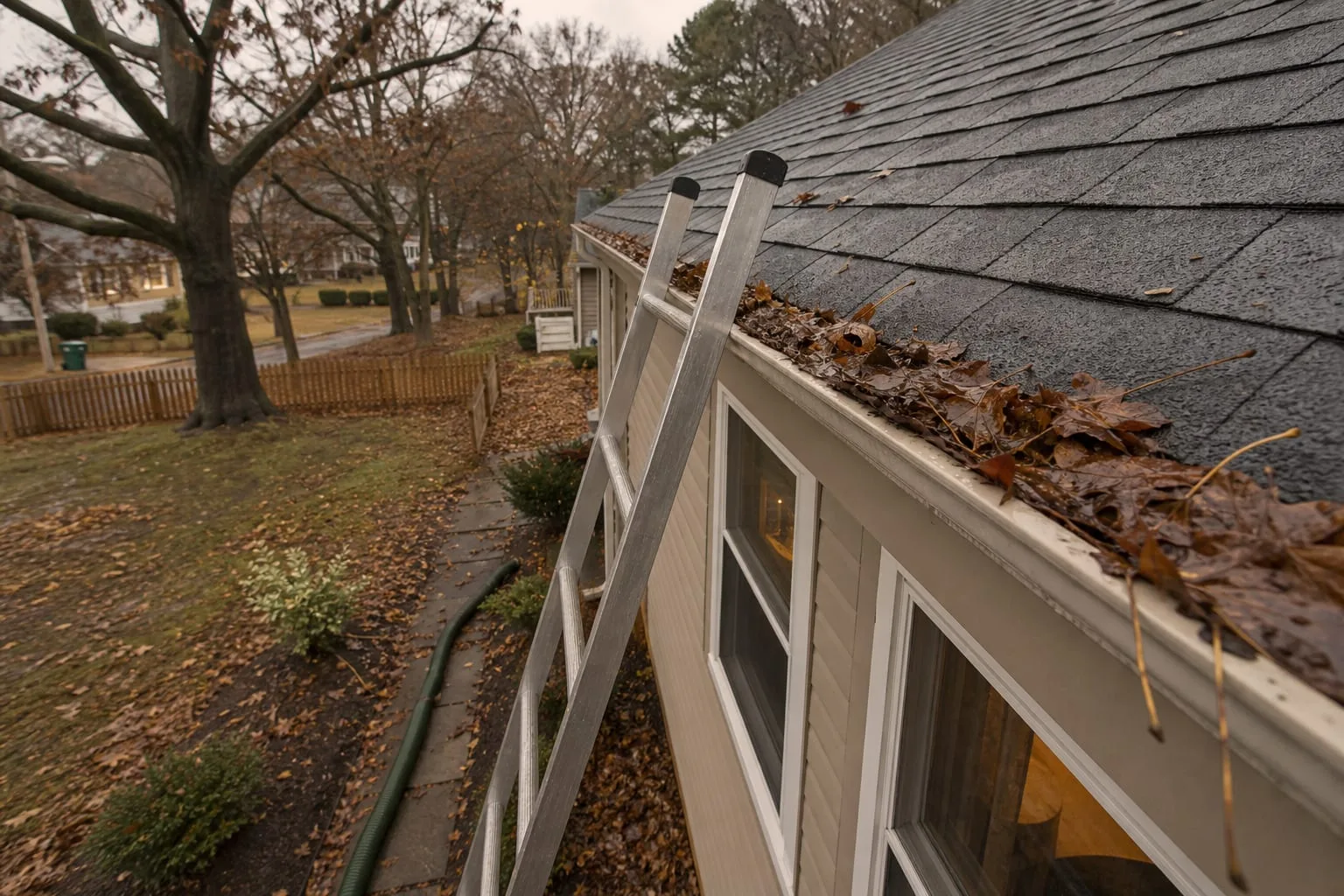
The gutter guy who came every October for years used to be a maintenance expense and nothing more. He is now, in a quiet way, part of your claims file. Somewhere between the policy you bought a decade ago and the one that renewed this year, several pages were added to the back of your homeowners contract, and most of them do the same job: they describe a condition of the house that the insurer will not pay to fix, or will pay for on different terms than everything else. The seasonal work you schedule in the fall is what sits on the other side of those pages.
What was one sentence in 2015 is now a schedule
Ten years ago a typical policy handled the roof the way it handled the siding. Wind or hail damaged it, the adjuster wrote replacement cost, and depreciation came back once the work was done. Since then, in a great many states, three additions have become ordinary. A roof surfacing payment schedule that pays actual cash value once the covering passes a certain age. A cosmetic damage exclusion that declines dents in metal roofing, vents and gutters when the material still sheds water. And a separate wind and hail deductible written as a percentage of the dwelling limit rather than a flat dollar figure.
None of that arrived by letter you would remember. It arrived as an endorsement form number on the declarations page, four or five characters long, sitting in a column you have never read closely. The practical effect for a household is that the same storm, on the same roof, now produces a different check than it would have produced under the older form, and the difference tends to grow with the age of the covering. Knowing which of the three you have is a ten-minute exercise with your declarations page and your agent on the phone.
The exclusions that only wake up in cold months
Winter is when the language stops being theoretical. Freeze losses in most forms carry a condition rather than a flat exclusion: the heat has to have been maintained, or the water shut off and the system drained, while the house was unoccupied. Ice dam damage is usually covered as water, but only where the water entered because of a covered event, not because the gutters were packed and the attic was warm. And the long-running exclusion for continuous or repeated seepage, the one that fires after water has been moving through a wall for weeks, does most of its work in January, when nobody is in the crawl space.
Flood sits outside all of this entirely, which surprises people every year. Rising surface water is excluded from the standard homeowners form and always has been, and coverage comes from a separate policy through the National Flood Insurance Program, which FEMA administers. Snowmelt running across a yard and in through a foundation wall is the kind of loss that lands on that side of the line. A household that has a basement and no flood policy is making a choice, whether or not it knows it is making one.
The two-hour jobs sitting on the other side of the clause
Read the seasonal exclusions in order and a short list of small repairs falls out of them. Clearing the gutters and the downspouts. Extending the discharge so water lands well away from the wall. Adding baffles or topping up attic insulation where the warm spot that builds the ice dam is forming. Checking that the sump has a working check valve and a battery backup. Labeling the main shutoff so a houseguest can find it. Each of these is under a half day, several are under two hours, and none of them is worth a contractor's separate trip charge on its own.
Which is the actual scheduling problem, and the reason to bundle. A handyman or a gutter crew booked for a single small task prices the drive, the setup and the ladder before any work happens, so the second and third item on the same visit cost far less per item than the first. Fall is the sensible window because the same visit can carry the roof-adjacent items and the interior ones together. Ask for the invoice to list the tasks separately with the date. That paper is what turns a maintenance argument into a documented condition later.
What to ask before the renewal, not after the storm
Two questions to your agent cover most of it. First, whether the roof is being settled at replacement cost or on a schedule, and at what age that changes. Second, what the wind and hail deductible actually is in dollars on your current dwelling limit, since a percentage on a rebuilt-cost number moves every year. If the answers are unwelcome, the fix is usually available: a roof endorsement, a different deductible structure, or a water backup limit raised from token to useful, all priced before anything has happened.
The gutter visit and the declarations page belong to the same decision. Book the one with the other one open on the table.